
Which Quarters Are Silver? A Complete Collector's Guide for U.S. Buyers
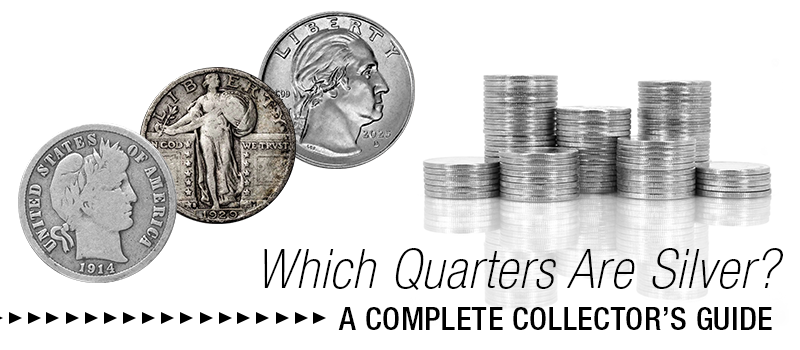
If you're wondering whether the U.S. quarters in your pocket or collection are made of silver, you're not alone. Many collectors and investors are drawn to silver quarters for their historical value and metal content. The historical significance and metal content of silver quarters attract a lot of investors and collectors. The most important fact is that all U.S. quarters minted in 1964 or earlier are made of 90% silver. These coins are not just currency—they’re a smart way to stack physical silver and American history.
Understanding the History of Silver Quarters
While most people associate quarters with pocket change, those minted before 1965 are quite different. Because these earlier coins are made of 90% silver, they have inherent and historical value. The use of silver in U.S. coinage dates back to the 18th century and was once standard across multiple denominations. Today, silver quarters are highly sought after by both collectors and investors.
What Are Silver Quarters?
Silver quarters are U.S. 25-cent coins minted with 90% silver and 10% copper, used in regular circulation up until 1964. Each coin contains approximately 0.1808 troy ounces of silver, making it worth significantly more than its face value - especially when silver prices are high.
These coins are often called “junk silver”, not because they lack value, but because they have no collectible numismatic rarity - just melt value. Junk silver is a popular and accessible way to stack physical silver.
Looking to collect? Explore 90% Silver U.S. Coins at CSN Mint.
Which Years of Quarters Are Silver?
All regular-issue quarters minted by the U.S. Mint from 1796 through 1964 contain 90% silver. Here’s a quick reference:
| Quarter Design | Years Minted | Silver Content |
|---|---|---|
| Barber Quarters | 1892–1916 | 90% Silver |
| Standing Liberty Quarters | 1916–1930 | 90% Silver |
| Washington Quarters | 1932–1964 | 90% Silver |
After 1964, the U.S. Mint transitioned to copper-nickel clad coins due to rising silver costs.
Why Is 1964 the Key Year?
The Coinage Act of 1965 eliminated silver from circulating quarters. So, 1964 is the last year regular quarters were minted with silver.
Any quarter from 1964 or earlier is considered a silver quarter. Post-1965 quarters do not contain silver unless they’re special collector issues.
Want to start your silver collection? Check out our Silver Coin Sets.
How to Identify a Silver Quarter
- Check the date – Any quarter from 1964 or earlier is silver.
- Look at the edge – Silver quarters have a solid silver edge, while modern ones show a copper stripe.
- Color & luster – Silver has a brighter, shinier finish than copper-nickel.
- Sound test – Silver coins produce a high-pitched “ring” when dropped.
What Is Junk Silver?
Junk silver refers to circulated U.S. coins minted before 1965 that contain 90% silver but have no significant numismatic value. Despite the name, junk silver holds substantial melt value and is widely favored by silver stackers and preppers as a reliable form of barter.
Benefits of Junk Silver:
- Easy to recognize and trade
- Government-issued and trusted
- Divisible for small-value trades
- Affordable entry into silver stacking
Junk Silver & Bulk Silver Quarters on CSN Mint.
Are Silver Quarters Valuable?
Yes - silver quarters are worth far more than 25 cents.
Two ways they hold value:
- Melt Value: Based on the current spot price of silver. For example, with silver at $30/oz, one 90% silver quarter may be worth around $5.40.
- Collector Value: Rare dates, mint marks, or uncirculated condition can boost a coin’s numismatic worth well beyond melt value.
Are There Any Silver Quarters After 1964?
Yes - but only in limited collector issues:
| Type | Years | Silver Content | Notes |
|---|---|---|---|
| Bicentennial Quarters | 1976-S | 40% Silver | Found in special mint sets only |
| Silver Proof Quarters | 1992–Now | 90% / .999 Silver | Available in U.S. Mint Silver Proof Sets |
You won’t find these in circulation - they were made for collectors only.
Why Did the U.S. Stop Making Silver Quarters?
By the 1960s, the price of silver was rising so fast that coins were worth more as metal than money. To protect coin supply and prevent hoarding, the U.S. Mint removed silver from all circulating dimes and quarters in 1965.
Since then, circulating quarters have been clad in copper and nickel.
Where to Buy Silver Quarters Online
Authenticity is everything in numismatics. When buying silver quarters, stick to trusted dealers who offer:
- Guaranteed 90% silver coins
- Collector-grade condition
- Transparent pricing and grading
- Easy returns and secure shipping
CSN Mint offers a full selection of:
- Silver Quarters
- Eisenhower Dollars
- Peace & Morgan Dollars
- Silver Commemorative Coins
Conclusion: Start Collecting Silver Quarters Today
Silver quarters are more than just pocket change - they’re tangible pieces of American history and a great entry point into silver stacking. Whether you're hunting for a 1964 Washington Quarter or building a stack of junk silver, knowing what to look for gives you a clear edge.
Ready to buy real silver quarters?
Explore our U.S. Silver Coin Collection at CSN Mint and start stacking with confidence.
FAQs About Silver Quarters
1. What year quarters are silver?
All quarters minted in 1964 or earlier contain 90% silver.
2. Are 1965 quarters silver?
No. Starting in 1965, quarters were made with copper and nickel, not silver.
3. How much silver is in a silver quarter?
Each 90% silver quarter contains 0.1808 troy ounces of pure silver.
4. What is the value of a 1964 silver quarter?
It depends on silver prices, but the melt value is usually around $4–$6.
5. Can I find silver quarters in circulation today?
Very rarely. Most were pulled from circulation decades ago.
6. What are junk silver quarters?
Circulated pre-1965 silver quarters sold primarily for their melt value.
This entry was posted in Silver coins on September 04, 2025 by Priscilla Bennett
About the Author

Hi, I’m Priscilla Bennett, a passionate numismatic expert and content writer at CSN Mint. I love helping collectors and enthusiasts discover the rich stories behind U.S. coins. Through every blog, I aim to make coin collecting more approachable, insightful, and exciting for everyone—from first-time buyers to seasoned collectors.


Leave a comment